
Milan's Southern Margins Proximity Project: Towards Equitable Public Green Spaces as an Everyday Life Infrastructure
Kösel, Ç., & Çam, D. (2025). MILAN'S SOUTHERN MARGINS PROXIMITY PROJECT: TOWARDS EQUITABLE PUBLIC GREEN SPACES AS AN EVERYDAY LIFE INFRASTRUCTURE. Eskiz: Şehir ve Bölge PLanlama Dergisi, 7(01), 1-31.
This study addresses the spatial inequality in accessing quality public services, particularly green spaces, in the peri-urban areas of cities, despite the concentration of these services in central areas. Focusing on the Milan-Sud peri-urban region of Milan, Italy, the research uses macro and micro-scale spatial analysis combined with user interviews to examine the issue of "proximity"—a holistic concept encompassing not only physical access but also the quality and usability of public spaces.
Findings show that while some parks in the study area are physically accessible, they lack the attractiveness, safety, and functionality necessary to serve the daily lives of residents. The research analyzes the underlying causes using urban design principles to reveal the impact of public green space design. The outcome is a set of urban design recommendations aimed at solving the proximity problem by enhancing not just accessibility, but also the attractiveness, safety, functionality, and social interaction within public spaces for those living in urban peripheries.
Journal Cover
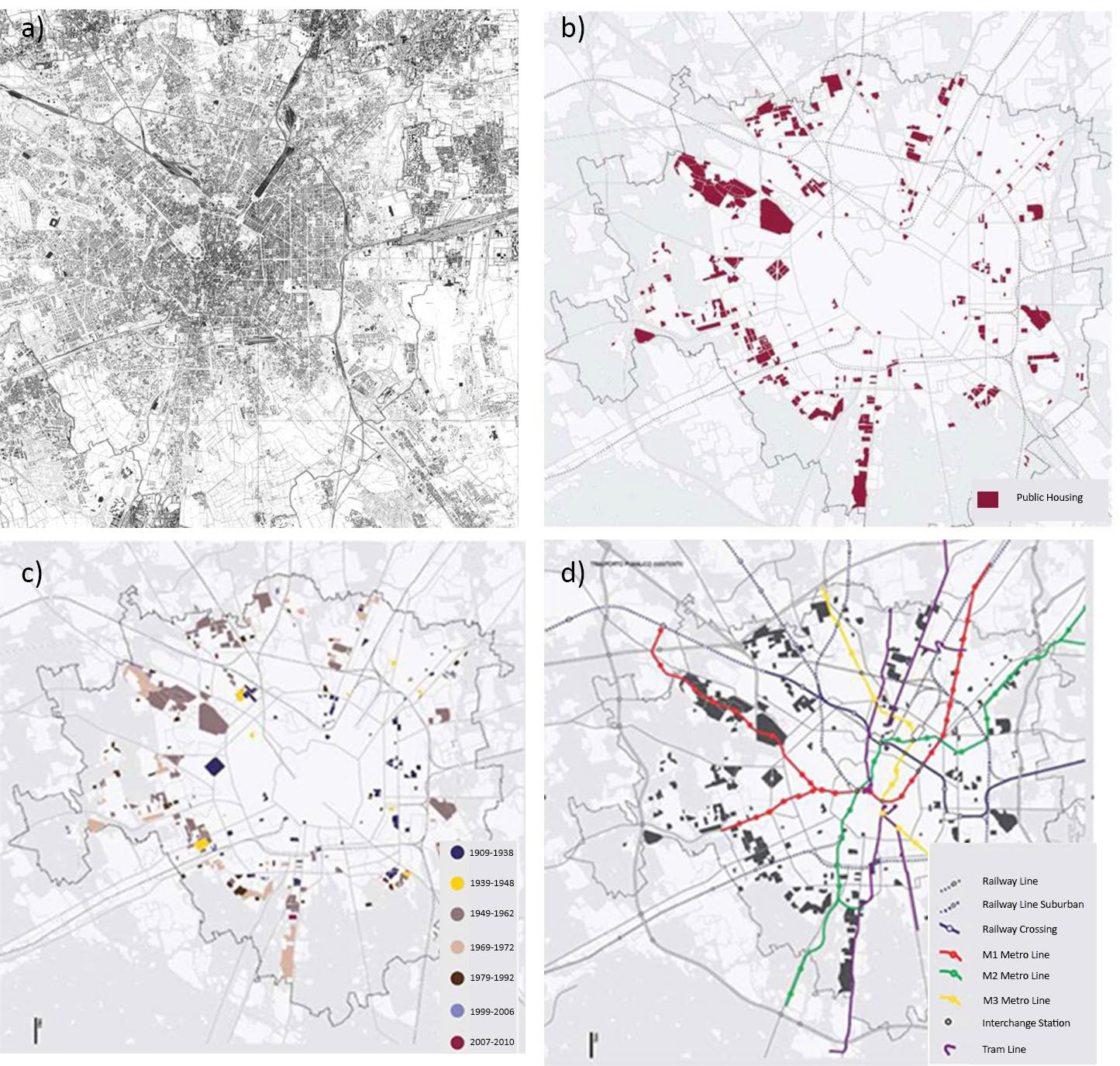
Case Exploring
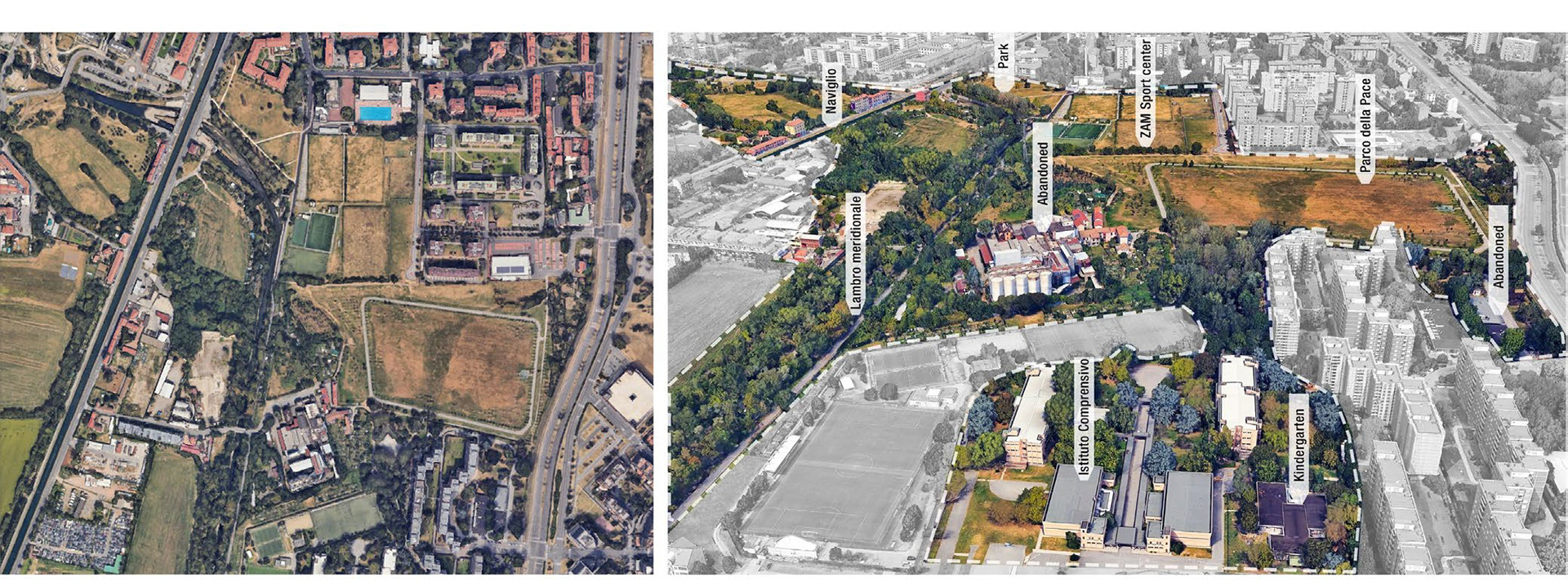
Design Context and Place
Case Study: Milano Sud
Methodology
This study employed a mixed-methods approach across macro- and micro-scales in the Milan-Sud peri-urban region to examine the holistic concept of 'proximity,' defined as encompassing physical access, quality, and usability of public services. The methodology utilized GIS-based spatial analyses for quantitative assessment of physical proximity and inequalities, complemented by fieldwork involving direct observation and user interviews to gather qualitative data on motivations and experiences. The analysis focused on eight key indicators, including Mobility, Attractiveness, Safety, and Functionality, to identify urban design factors that affect the utilization of public green spaces.
Core Findings and Outcomes
The research revealed a significant proximity gap: while some parks were physically accessible, they were largely underutilised due to critical design deficiencies. The core findings showed these spaces lacked necessary attractiveness, safety, and functionality, resulting in a failure to invite, integrate, and include diverse user groups. This confirmed that proximity is a social phenomenon requiring high-quality urban design, not just geographic closeness. The study concludes with Urban Design Recommendations aimed at increasing not only physical access but also the attractiveness, safety, social inclusiveness, and functionality of green spaces to support the daily lives of peri-urban residents.
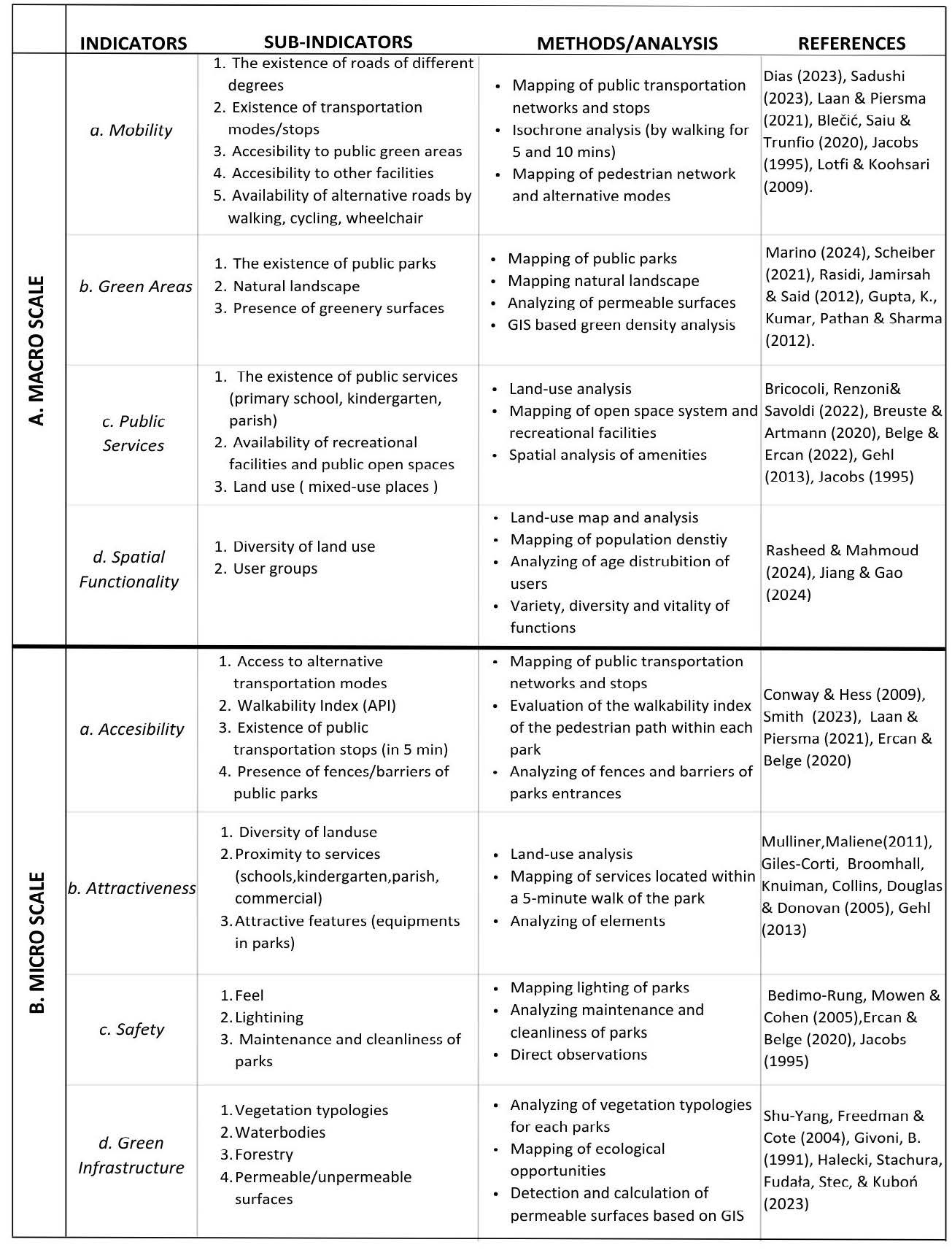
Table of Methodology from Article
Evaluating Walkability in Peri-Urban Areas for Enhanced Urban Sustainability: A Case Study of Milan's Southern Margin
Çam, D., & Kösel, Ç. (2026). Evaluating Walkability in Peri-Urban Areas for Enhanced Urban Sustainability: A Case Study of Milan's Southern Margin. In Solutions for Sustainability Through Peri-Urbanization Processes (pp. 169-214). IGI Global Scientific Publishing.
The act of walking is becoming not just a means of transportation but a crucial to creation of sustainable cities. This transformation is significant in cities that are more vulnerable to impacts of climate change. The study focuses on pedestrian mobility in peri-urban areas so, increasing pedestrian mobility in these areas is an important role as climate change impacts will gradually increase in cities. Also, it focuses on importance of pedestrian mobility to develop sustainable urban areas. This micro-scale model, which can use the proposed quantitative and qualitative urban design factors to measure walkability, offers a different approach to sustainability for the peri-urbans. Furthermore, it provides an opportunity for spatial evaluation to increase the sustainability of peri-urban areas. As a case study, it focuses on the urban margin: Gratosoglio which is located south of Milan, a major Italian city. The main conclusion illustrate how walkability is affected by urban design elements and the importance of walkability in developing sustainable and climate-sensitive areas.
official cover of book
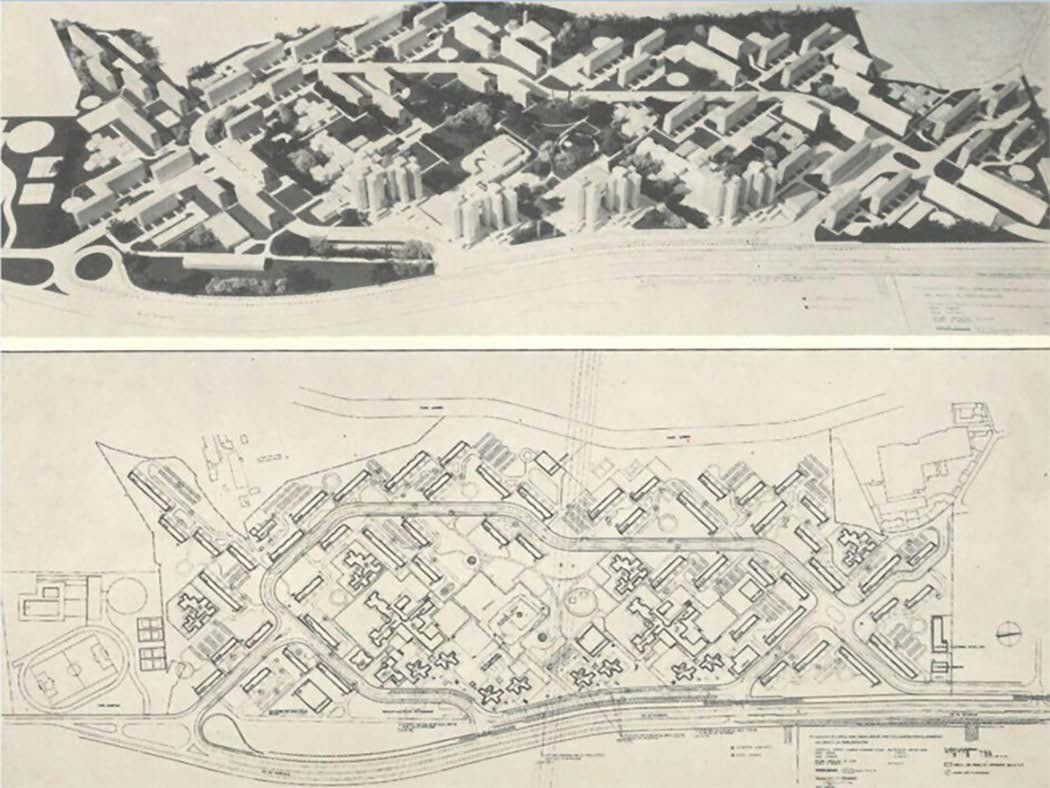
Case Area Project Design
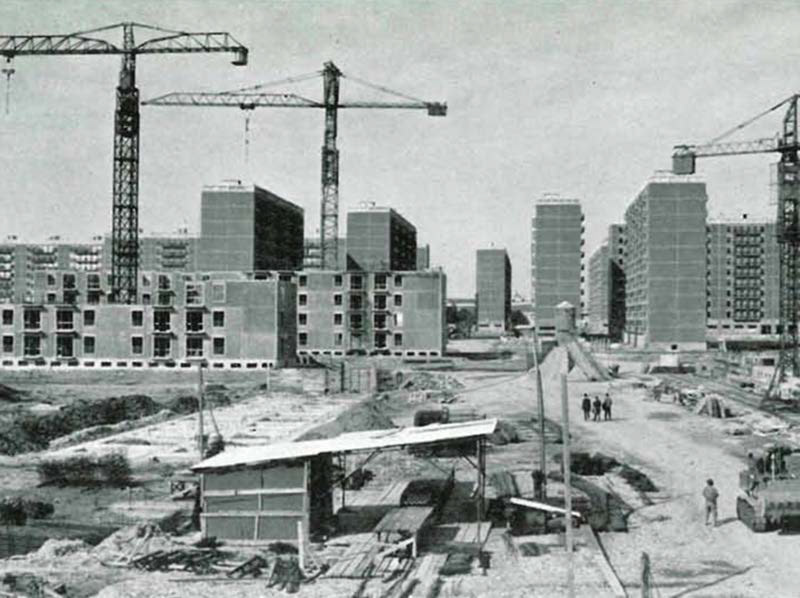
Case are Project Photo
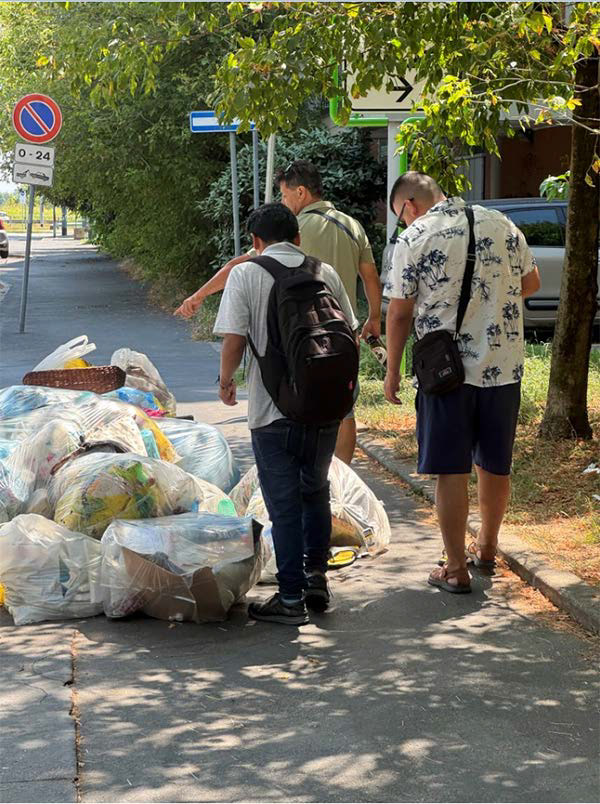
Site Visit
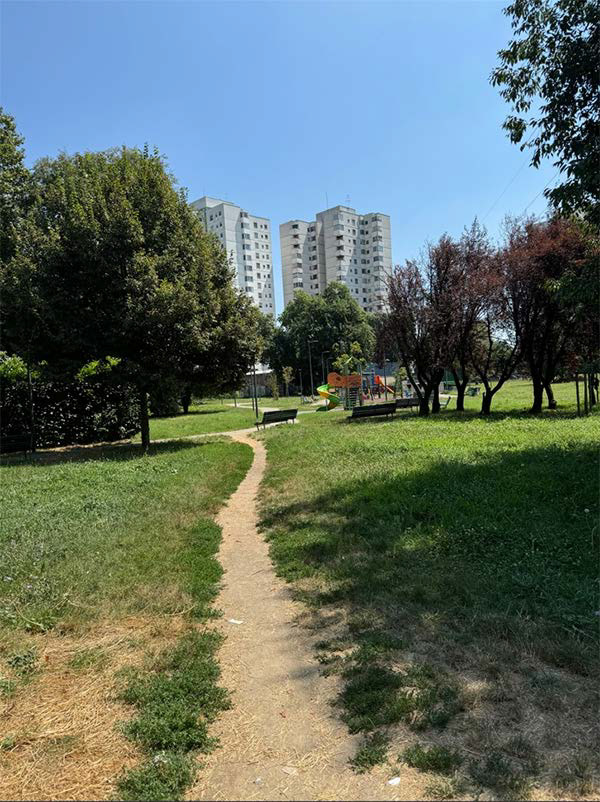
Site Visit
Case Study: Gratosoglio
Method
This study proposes a micro-scale walkability evaluation model for urban peri-urban areas, integrating both quantitative and qualitative urban design factors. The research critically examines the role of walkability in creating sustainable and climate-resilient urban peripheries. The methodology involves defining a series of urban design indicators (such as Accessibility, Attractiveness, Safety, and Public Open Spaces) and their sub-indicators. This framework is applied to the Gratosoglio unit in the southern margins of Milan to measure its current walkability performance. By analyzing both physical features and perceptual qualities, the study aims to move beyond incomplete conclusions derived solely from physical characteristics.
Core Findings
The research findings clarify the impact of pedestrian mobility and accessibility on peri-urban areas, confirming the crucial role of walkability in fostering sustainable urban design. The study successfully establishes a micro-scale evaluation method that provides a robust foundation for spatial evaluation in transition zones like Milan's southern margins. The ultimate outcome is the development of urban design and planning strategies aimed at increasing the sustainability, climate neutrality, and pedestrian walkability of the urban-rural transition zone. The findings emphasize that a people-centered, inclusive, and climate-sensitive approach to pedestrian-oriented design is vital for shaping the future growth axes of cities.
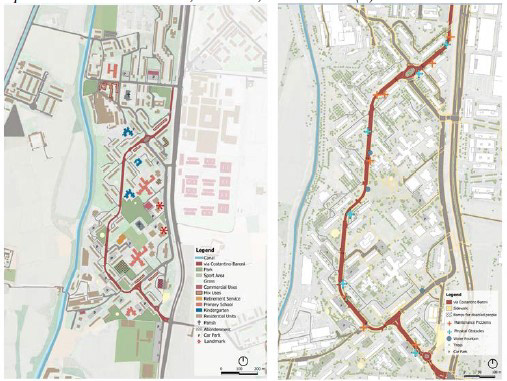
2 Analyses Map from Chapter
Suburbanisation in Turkey: Towards Antifragile Planning
Aesop Congress Proceedings
AESOP Congress Istanbul 2025,
in Technical University of Yıldız, 7-11 Jul 2025
in Technical University of Yıldız, 7-11 Jul 2025
Rapid urban expansion has made suburban areas increasingly prone to socio-spatial fragility. Traditional planning models are failing to cope with the growing uncertainties from globalization and climate change.
This study introduces Anti-fragility Planning (Taleb, 2012), a transformative approach that seeks to make suburbs not just resilient, but capable of strengthening and improving when exposed to shocks and complexities.
Through theoretical analysis, the research investigates how to integrate this anti-fragile perspective into the suburbanization process in Turkey. The goal is to develop an innovative framework for creating just, equitable, and adaptable suburbs that thrive in an unpredictable future.
Presentation cover
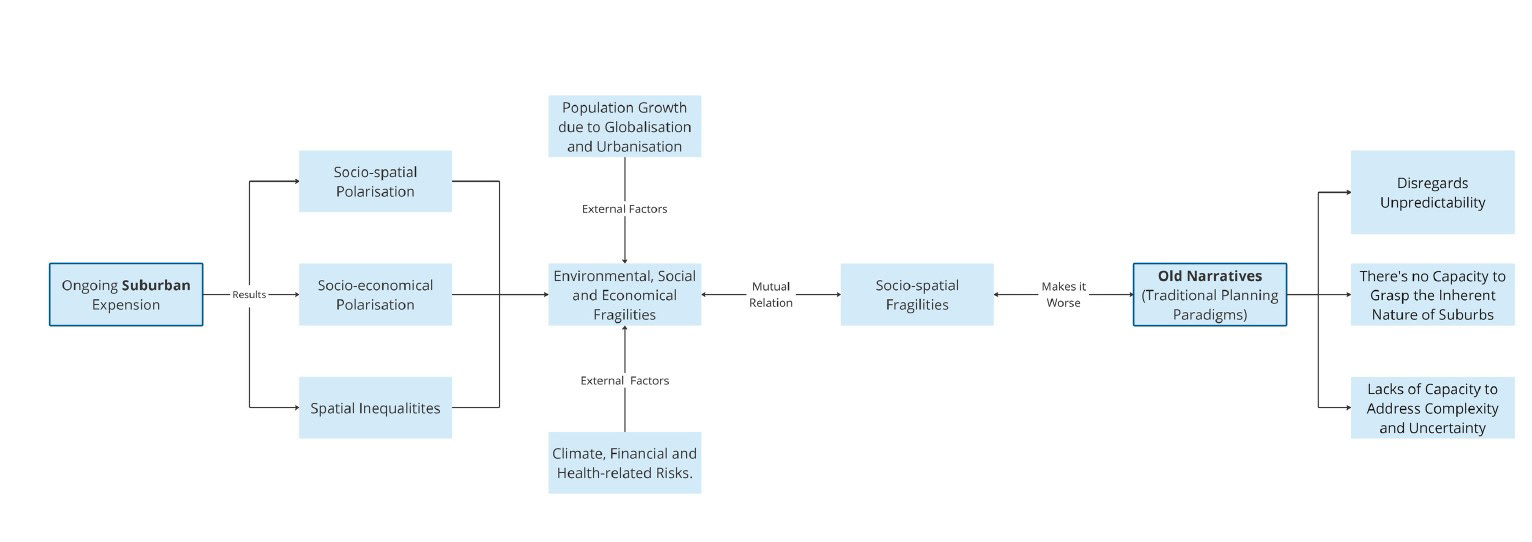
Research Concept Diagram
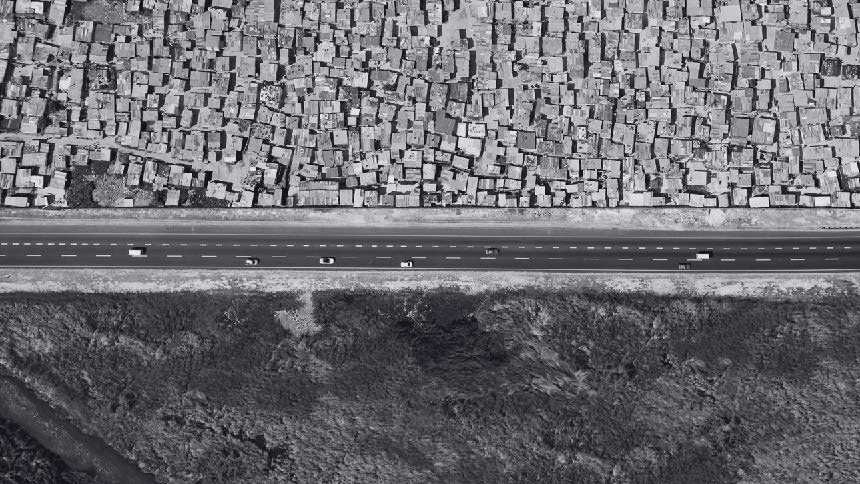
From Presentation

From Presentation

From Presentation
Research Methodology
The study employs a primarily theoretical and conceptual methodology to address the growing socio-spatial fragility in suburbs, particularly in the Turkish context. The method involves a critical analysis of the limitations of conventional planning and resilience models in the face of future uncertainties (climate, finance, etc.). This analysis is followed by extensive theoretical discussions and literature comparisons to introduce and integrate the innovative concept of Anti-fragility Planning (Taleb, Aven). The core objective of this comparative inquiry is to answer the question of how to develop transformative and adaptive new narratives for suburban development, ultimately synthesizing these findings into a conceptual framework that enables suburbs to build capacity and emerge stronger from future shocks and unpredictability.
Core Findings
The research proposes a shift from the traditional resilience paradigm to Anti-fragility Planning for suburbs, arguing that they must be designed to develop new functions at the moment of shock and emerge stronger from uncertainty. This requires abandoning rigid, centralized planning (such as uniform zoning and ignoring participation) and adopting a transformative and multidimensional perspective that utilizes flexible learning cycles to actively turn unpredictable uncertainties into opportunities, guided by the principle of learning from uncertainty and knowing what practices to avoid.
Kentsel Morfoloji Perspektifinden Kentsel Dayanıklılık Kapasitesinin İncelenmesi
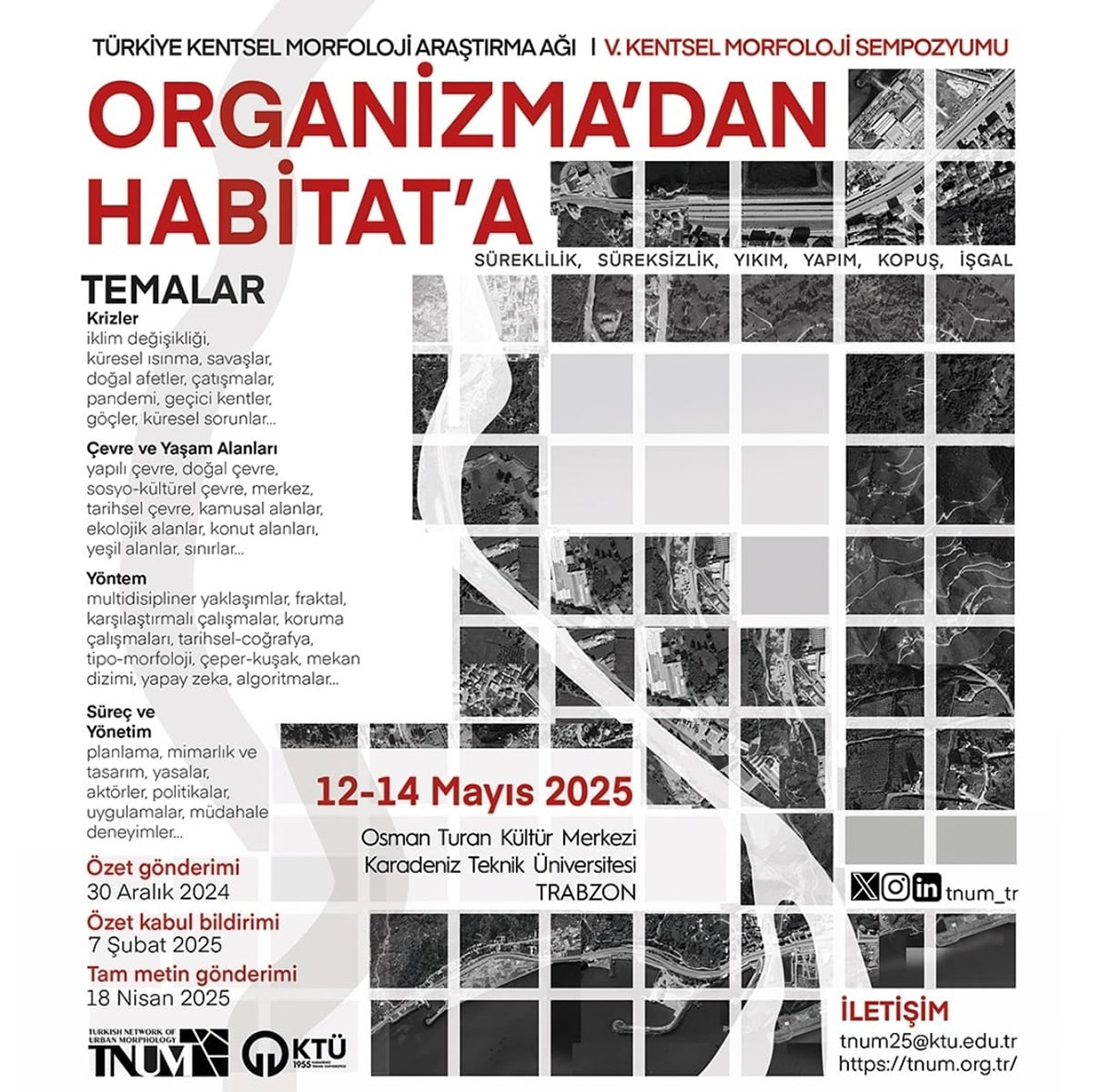
TNUM Sempozyum Bildiri
Bu çalışma, şehirlerin karmaşıklığı ve iklim değişikliği gibi zorluklara karşı uyum ve direnç kazanması için bir çözüm önermektedir.
Dayanıklılık kavramı, kentsel tasarımda yüzeysel kaldığı için, çalışma kentsel morfoloji (sokaklar, yapılar, binalar) ile kentsel dayanıklılığı birleştiren kavramsal bir çerçeve sunar. Bu çerçeve, dayanıklılık kapasitesinin mekânsal olarak değerlendirilmesine odaklanır.
Türkiye ve İtalya'daki sosyal konut alanları (Güneykent ve Milano) vaka çalışmalarıyla, morfolojik bilgi birikiminden uzak uygulamaların yarattığı sorunlar gösterilmiştir.
Sonuç, süreklilik, esneklik ve uyarlanabilirlik gibi morfolojik özelliklerin, kentlerin dayanıklılık kapasitesini artırmada hayati öneme sahip olduğunu vurgulamaktadır. Plancılar ve tasarımcılar, bu iki alanı entegre etmelidir.
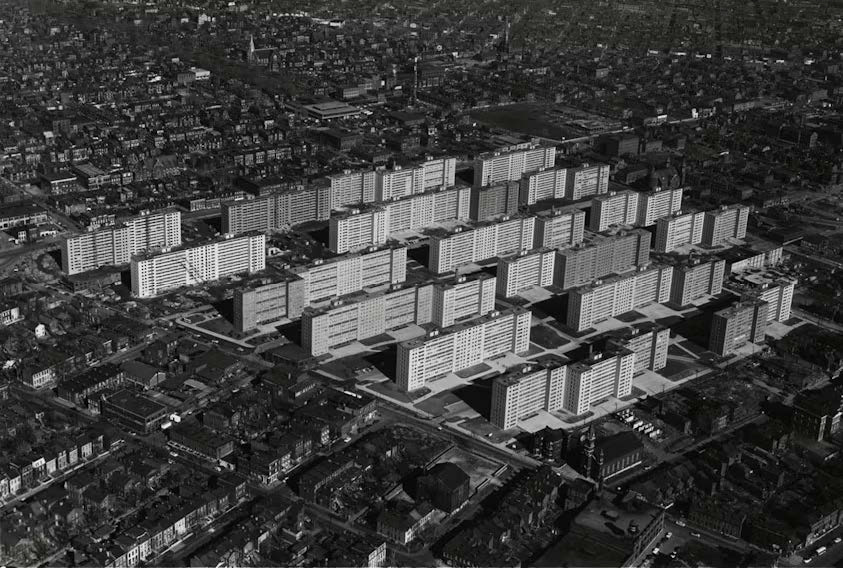
Pruitt Igoe
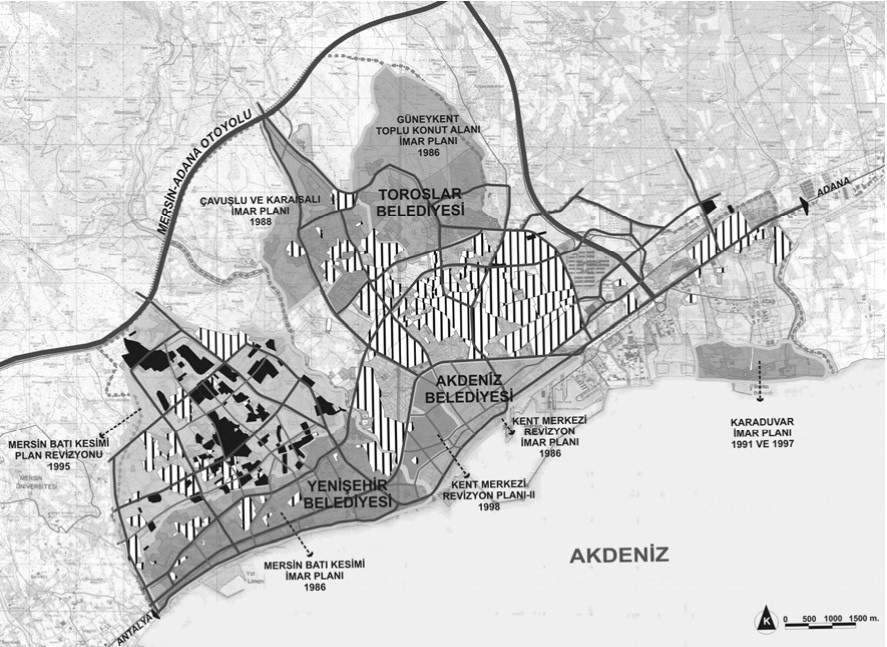
Mersin Conceptual Mapping (Ünlü, 2007).
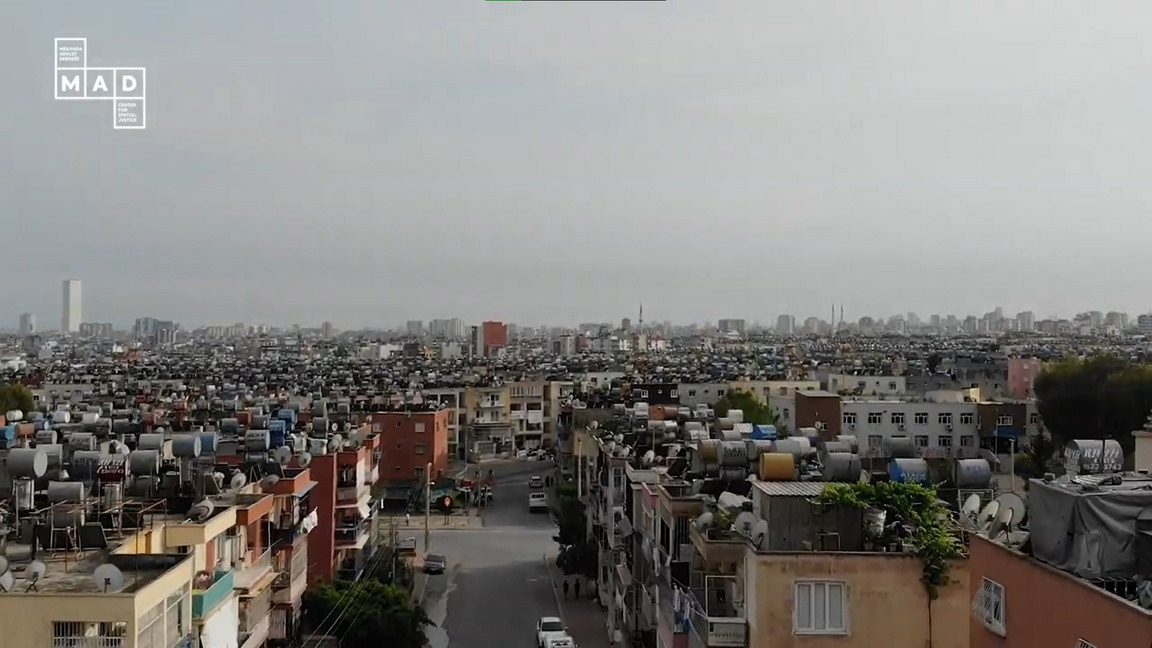
MAD Archive
Metot
Bu çalışma, kentsel morfoloji ile kentsel dayanıklılığı bir araya getiren kavramsal bir çerçeve sunar ve bu çerçeveyi kullanarak dayanıklılık kapasitesinin mekânsal olarak değerlendirilmesine odaklanır.
Metodoloji, kentsel formun üç temel düzeyini inceler:
(I)Sokaklar, (II)Yapı Adaları, (III)Binalar
(I)Sokaklar, (II)Yapı Adaları, (III)Binalar
Dayanıklı kentler için belirlenen uyum, performans ve sürdürülebilirlik gibi temel özellikler bu üç düzeyde ele alınır.
Bu değerlendirme, nitel ve nicel analizler içererek farklı kentsel alanların dayanıklılık kapasitelerini karşılaştırmalı olarak inceleme imkanı sağlar.
Vaka Çalışması: Türkiye'deki Güneykent (Mersin) ile İtalya'daki Chiesa Rossa ve Stadera (Milano) sosyal konut alanları incelenerek yöntemin uygulanabilirliği gösterilmiştir.
Ana Bulgular
İncelenen kentsel alanlarda dayanıklılık eksiklikleri, kentsel formun üç ana düzeyinde yoğunlaşmaktadır. Sokak düzeyinde, geçmişten gelen araç odaklı tasarımlar yerel bütünleşmeyi engellemekte ve sokakların genişlik potansiyeli olmasına rağmen Türkiye'de yeşil elemanlarla uyarlanabilirliği göz ardı edilmektedir.
Yapı adalarının nispeten büyük oluşu, doku içi geçirgenliği kısıtlayarak dolaşımı zorlaştırmaktadır. En kritik bulgu ise bina düzeyinde görülmektedir: Güneykent'te ve benzeri alanlarda, yapısal sorunlar ve yenileme eksiklikleri enerji tüketimini ciddi ölçüde artırarak, düşük gelirli sakinler için enerji yoksulluğunu derinleştirmektedir.
Özetle, altyapısal ve morfolojik unsurların uyum ve sürdürülebilirlik ilkelerinden uzak olması, kentlerin dayanıklılık kapasitesini doğrudan zayıflatmaktadır.
Yapı adalarının nispeten büyük oluşu, doku içi geçirgenliği kısıtlayarak dolaşımı zorlaştırmaktadır. En kritik bulgu ise bina düzeyinde görülmektedir: Güneykent'te ve benzeri alanlarda, yapısal sorunlar ve yenileme eksiklikleri enerji tüketimini ciddi ölçüde artırarak, düşük gelirli sakinler için enerji yoksulluğunu derinleştirmektedir.
Özetle, altyapısal ve morfolojik unsurların uyum ve sürdürülebilirlik ilkelerinden uzak olması, kentlerin dayanıklılık kapasitesini doğrudan zayıflatmaktadır.